Foundation Layout Equipment: Why Accuracy Matters for Every Build
Foundation layout sets the direction for an entire construction project. Before excavation, concrete placement, or framing begins, layout determines where everything goes. When layout work lacks accuracy, problems often appear later through misaligned walls, misplaced anchor bolts, and costly corrections that affect the entire structure.
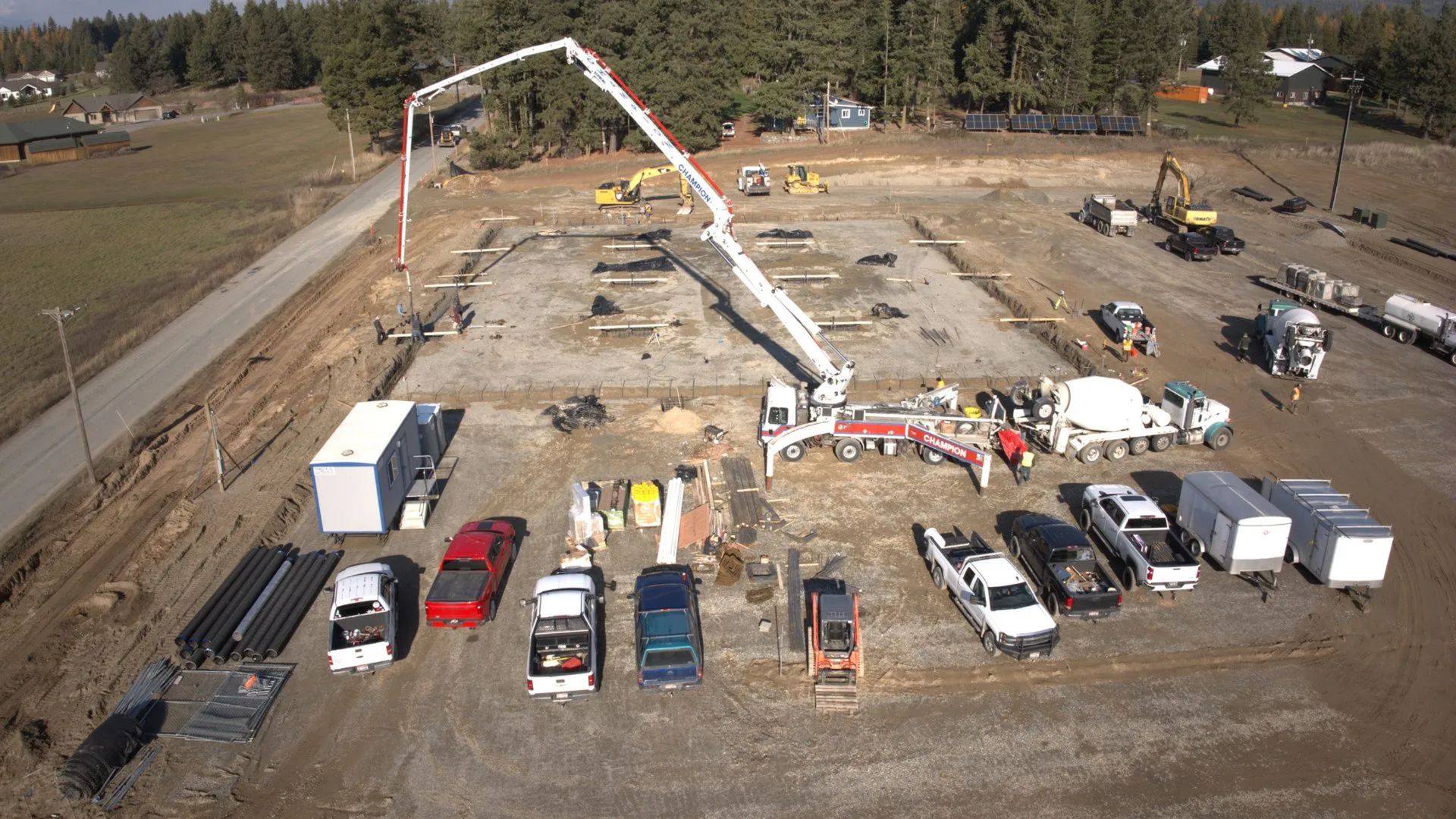
This article explains what foundation layout equipment is, why it matters for homes, shops, and commercial buildings, and how accurate layout supports long-term structural performance. RTB Construction uses modern layout equipment to plan and install foundations for residential, shop, and commercial projects throughout North Idaho.
What Is Foundation Layout Equipment?
Foundation layout equipment includes the tools and technology used to mark the exact location of footings, foundation walls, anchor bolts, and structural elements before construction begins. Layout translates approved plans into precise measurements on the ground.
Common layout tools include:
- Total stations and laser systems
- Measuring and leveling equipment
- Survey control points
- Grade and elevation markers
These tools allow builders to transfer plans from paper to the job site with accuracy. At RTB Construction, we use these tools on every foundation project to ensure excavation, layout, and anchor placement align exactly with approved plans.
You can learn more about foundation layout equipment here to see how these tools support foundation accuracy across different project types.
Why Foundation Layout Matters Before Concrete Is Placed
Once concrete is poured, changes become difficult and expensive. Accurate layout before construction prevents problems that can affect every phase of the build.
Proper layout helps:
- Align footings and foundation walls correctly
- Ensure anchor bolts match framing plans
- Maintain proper building dimensions
- Prevent framing and roofing conflicts
- Keep the project moving on schedule
Small layout errors often lead to larger structural issues later.
Foundation Layout for Basement Foundations
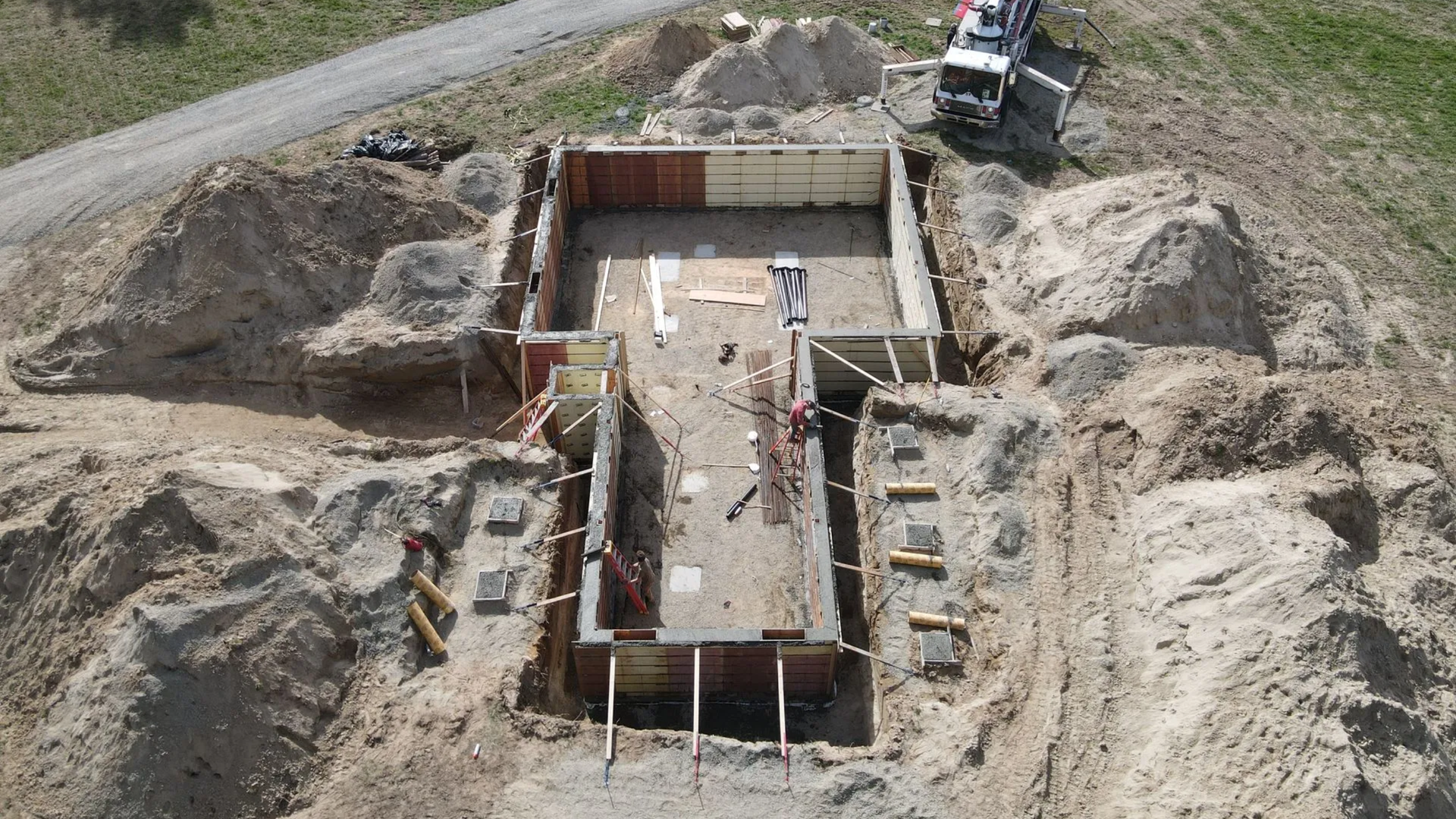
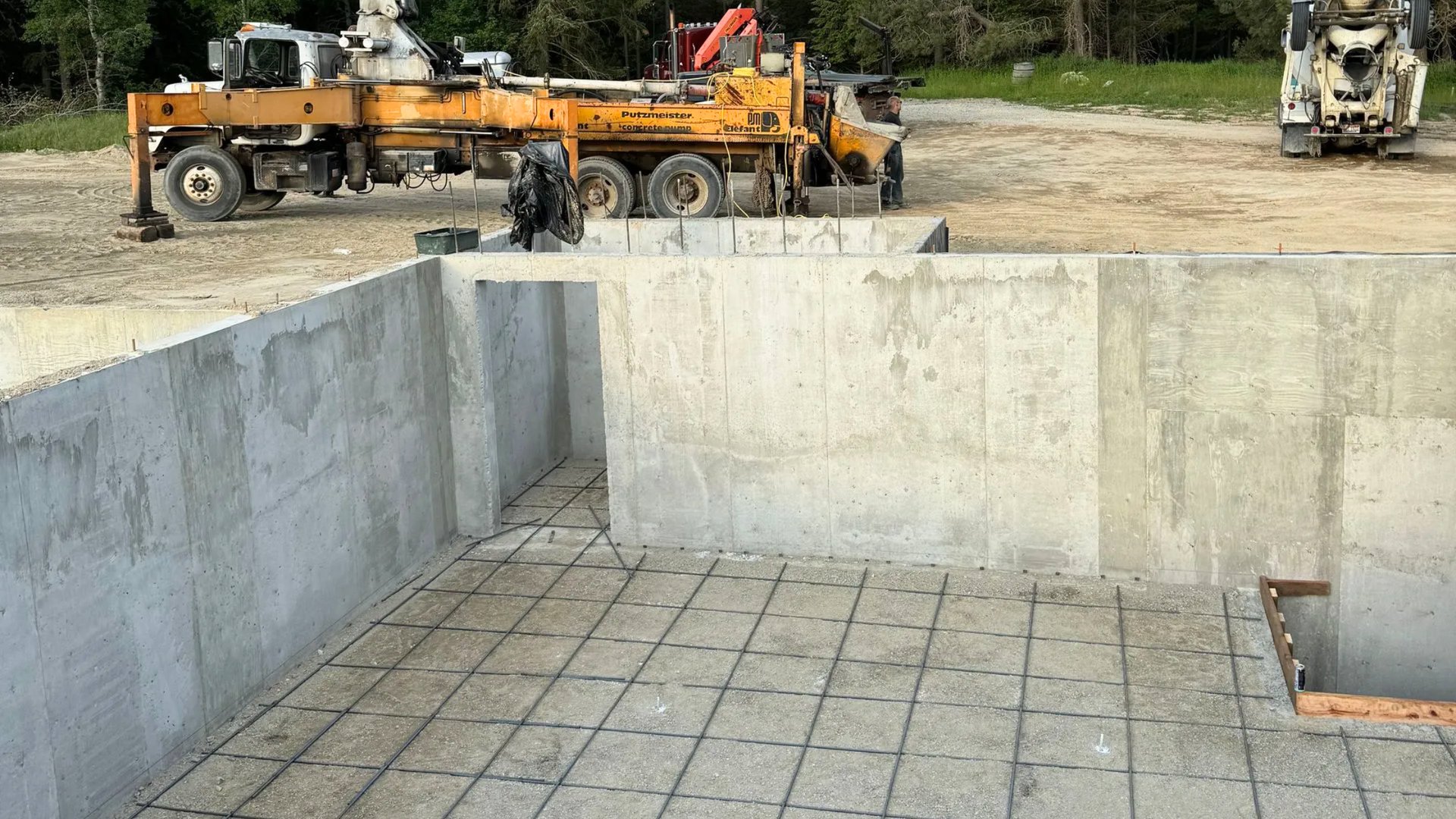
Basement foundations require careful layout because they include multiple structural elements below grade. Wall placement, footing depth, and anchor alignment must work together to support soil pressure and building loads.
Layout accuracy ensures:
- Correct wall thickness and spacing
- Proper footing placement below frost depth
- Accurate alignment for stairs, windows, and mechanical access
Because basement foundations support heavier loads and deeper excavation, layout errors can cause long-term performance issues. You can read more about basement foundations for homes, shops, and commercial buildings to understand how layout impacts deeper foundation systems.
Foundation Layout for Crawl Space Foundations
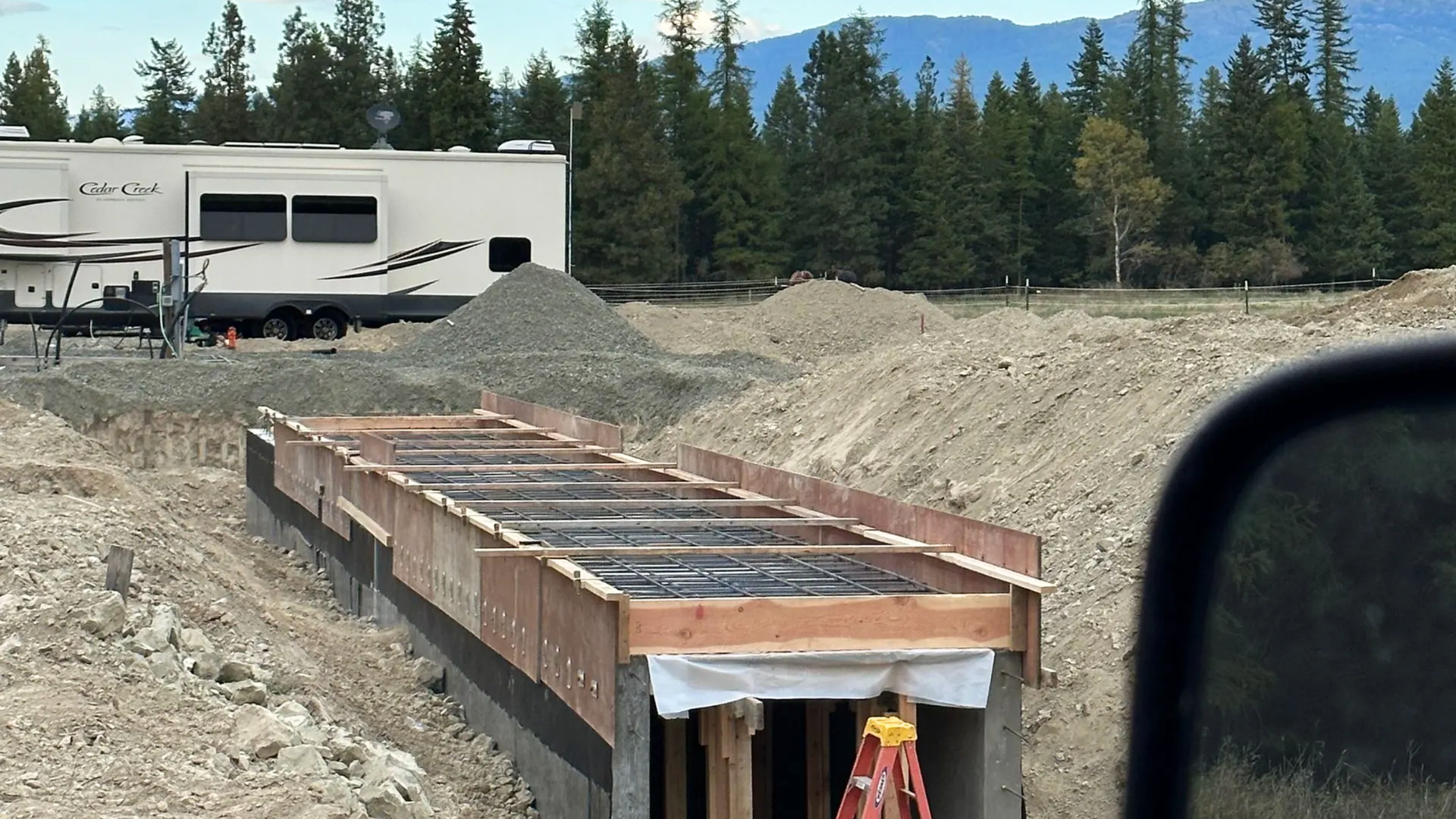
Crawl space foundations rely on precise layout to support floor systems and maintain consistent clearance beneath the structure.
Accurate layout helps:
- Align stem walls correctly
- Maintain uniform crawl space height
- Support floor framing evenly
- Improve access to plumbing and utilities
If you want a deeper look at crawl space performance and design considerations, you can explore crawl space foundations here.
Foundation Layout for Commercial Buildings
Commercial projects demand a higher level of layout precision due to larger footprints, heavier loads, and stricter building requirements.
Layout accuracy supports:
- Column grid alignment
- Load path consistency
- Structural steel placement
- Code compliance and inspections
Even small layout deviations can create issues when multiple trades rely on exact measurements. Accurate layout protects the integrity of the entire structure.
How Modern Layout Equipment Improves Accuracy on Real Job Sites
Modern foundation layout equipment allows builders to achieve tighter tolerances and more consistent results on active job sites.
Benefits include:
- Faster layout process
- Reduced measurement errors
- Better coordination between trades
- Fewer corrections during construction
These tools help identify issues early, before excavation or concrete placement begins.
Common Problems Caused by Poor Foundation Layout
Inaccurate layout often leads to issues that affect multiple stages of construction.
Common problems include:
- Misaligned foundation walls
- Incorrect anchor bolt placement
- Uneven floor framing
- Roofing and structural alignment issues
- Delays during inspections
Fixing these problems after concrete placement often increases labor costs and extends project timelines.
Cost Impact of Accurate Layout Planning
Layout accuracy directly affects overall project cost. While layout requires upfront planning, it helps prevent costly corrections later.
| Layout Quality | Impact on Project Cost | Long-Term Effect |
|---|---|---|
| Precise Layout | Lower rework costs | Better structural performance |
| Minor Errors | Moderate corrections | Schedule delays |
| Poor Layout | High correction costs | Structural and framing issues |
Investing in proper layout improves efficiency and long-term reliability.
Foundation Layout in North Idaho Conditions
North Idaho presents unique challenges that make accurate layout especially important. Freeze and thaw cycles, sloped terrain, and variable soil conditions all affect foundation performance.
Layout planning helps account for:
- Frost depth requirements
- Elevation changes
- Drainage considerations
- Soil movement over time
Accurate layout ensures foundations perform as designed despite environmental factors.
How Foundation Layout Fits Into the Bigger Foundation System
Layout works as part of a larger foundation system that includes excavation, reinforcement, drainage, and concrete placement.
When layout aligns with foundation planning:
- Basement foundations perform as designed
- Crawl space foundations maintain consistent support
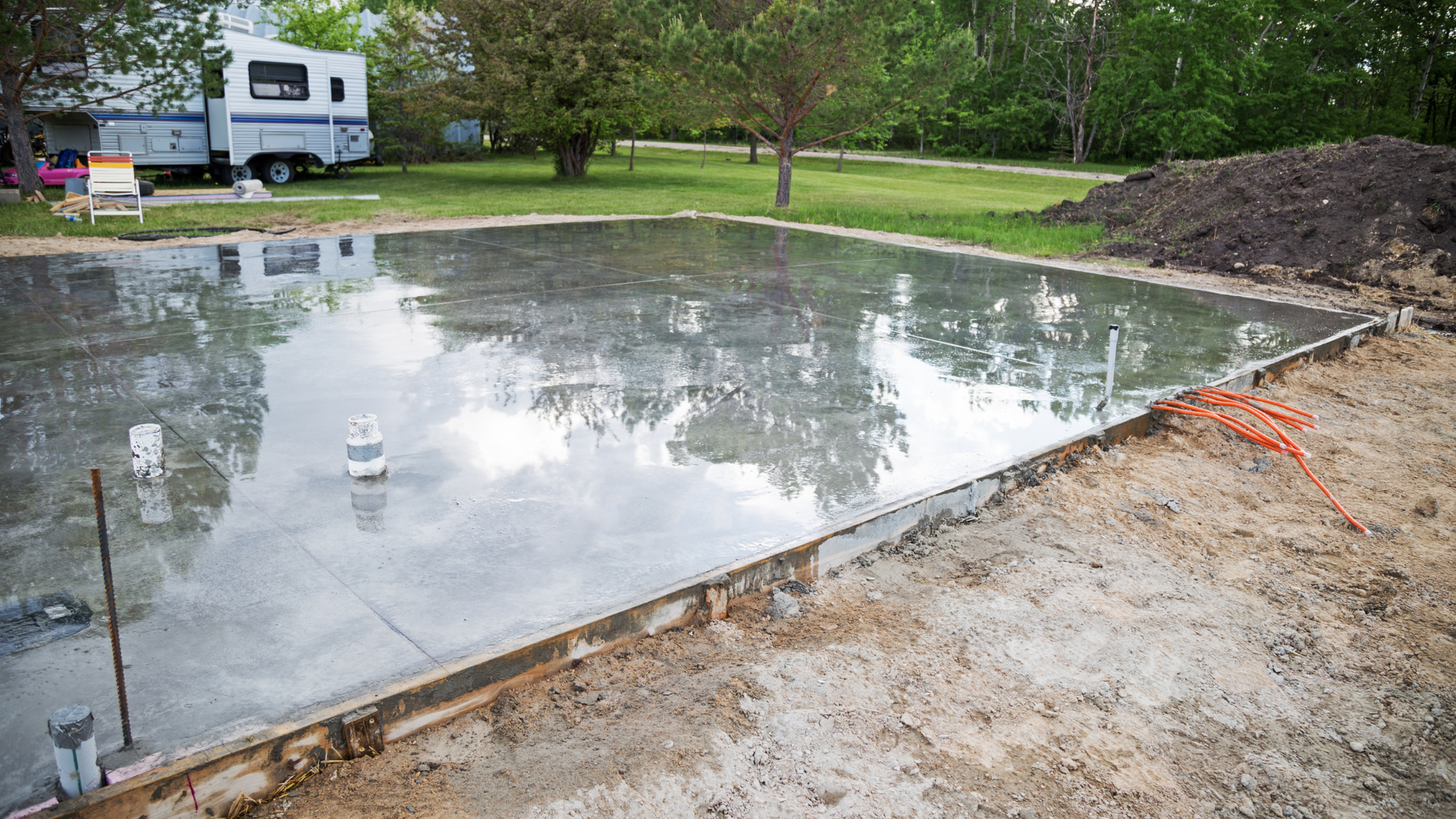
- Slab systems resist cracking and settlement
You can explore concrete foundation types here to see how layout supports different foundation systems across residential and commercial projects.
Frequently Asked Questions About Foundation Layout
When does foundation layout take place?
- Layout takes place after site preparation and before excavation and concrete placement. Builders complete layout once plans are finalized and before foundation work begins.
Does layout differ between residential and commercial projects?
- Yes. Commercial projects require more detailed layout due to larger scale, heavier loads, and stricter building requirements.
Can layout errors be fixed later?
- Some layout errors can be corrected, but fixing mistakes after concrete placement often increases cost and delays the project.
Conclusion
Foundation layout equipment plays a critical role in the success of every build. Accurate layout ensures foundations align with plans, support structural loads, and allow construction to move forward without unnecessary delays.
At RTB Construction, we use modern layout equipment and proven planning methods to support accurate foundation installation across residential, shop, and commercial projects. If you are planning a new build or want confidence in your foundation layout, contact us today. We will help you start your project with accuracy from the ground up.