Concrete Foundation Types for Homes, Shops and Commercial Buildings
Choosing the right concrete foundation shapes how a building performs over time. The foundation supports the entire structure, manages soil movement, controls moisture, and carries long-term loads. When builders choose the wrong foundation type, problems often show up later through cracking, uneven settling, or drainage issues that affect the entire structure.
This guide breaks down the most common concrete foundation types used for homes, shops, and commercial buildings. It explains when each option works best, what factors influence long-term performance, and how proper planning and layout improve results across different project types. RTB Construction plans and installs foundation systems for residential, shop, and commercial projects throughout North Idaho, giving us firsthand insight into how these foundations perform in real-world conditions.
Why Choosing the Right Foundation Type Matters
Every structure places different demands on its foundation. A home, a shop, and a commercial building may sit on similar soil, but they apply weight, movement, and use in very different ways. Foundation selection affects not only construction cost, but also maintenance, comfort, and structural reliability over time.
The right foundation helps:
- Distribute structural loads evenly across the soil
- Resist lateral soil pressure and seasonal movement
- Control moisture and reduce water-related damage
- Support future expansions or structural changes
- Reduce long-term repair and maintenance costs
When foundation decisions happen early, builders avoid costly changes later in the project.
Basement Foundations
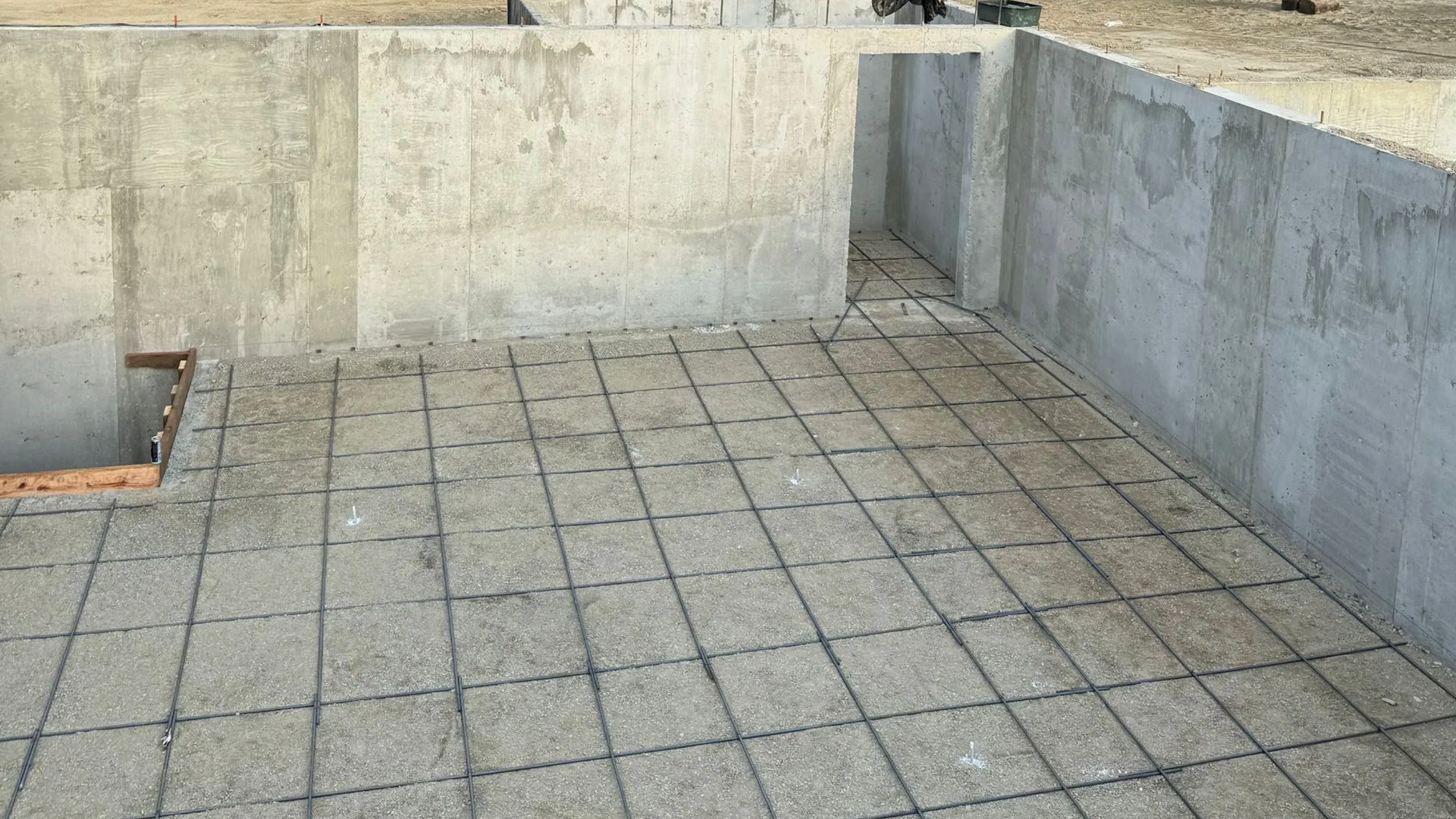
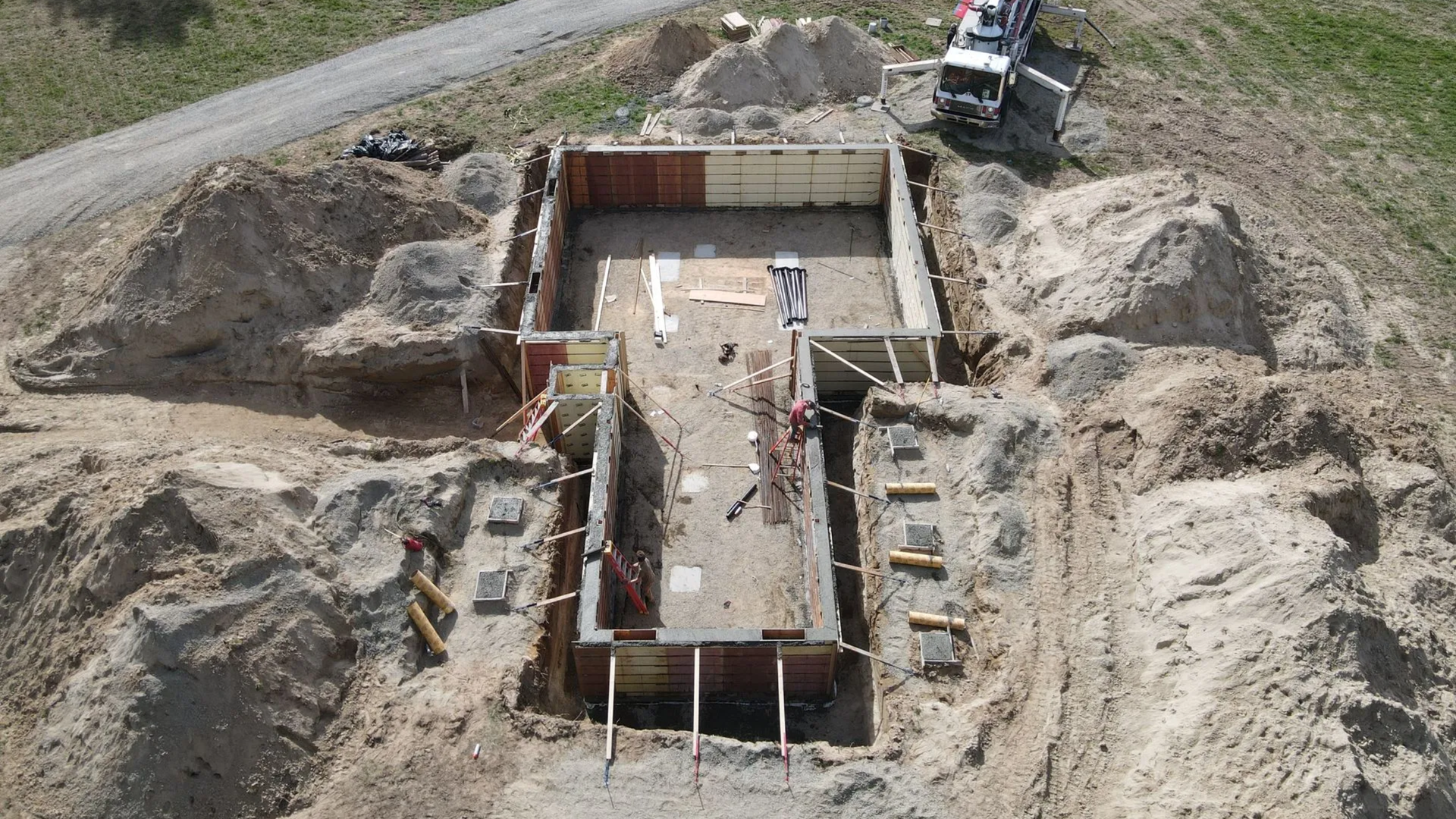
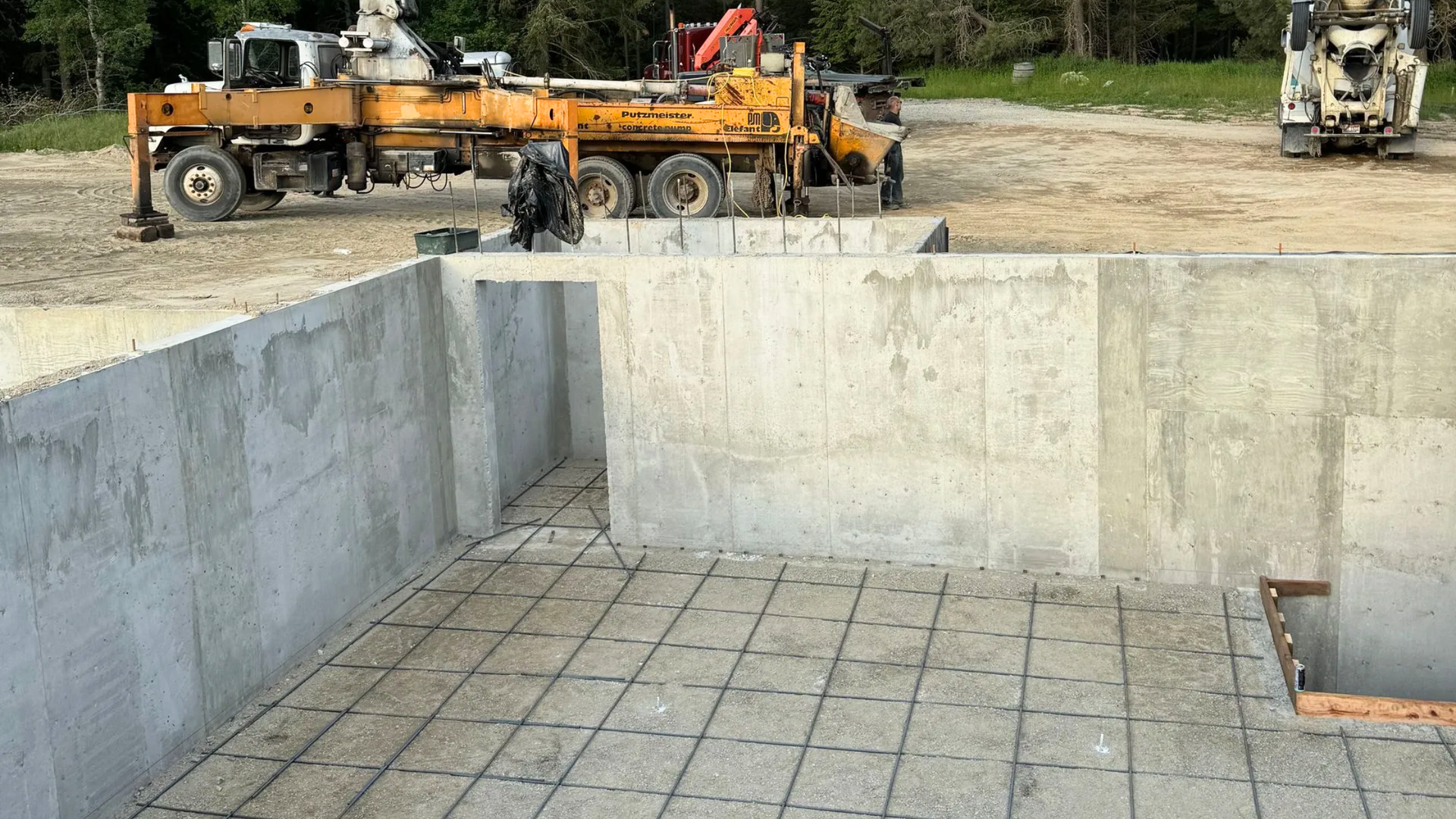
Basement foundations create usable space below grade while providing strong structural support. Builders often choose this foundation type when projects require additional square footage, mechanical space, or higher load capacity.
Basement foundations work well for:
- Homes with finished or unfinished basements
- Shops that require storage, utilities, or equipment access
- Commercial buildings with multiple floors or heavier framing
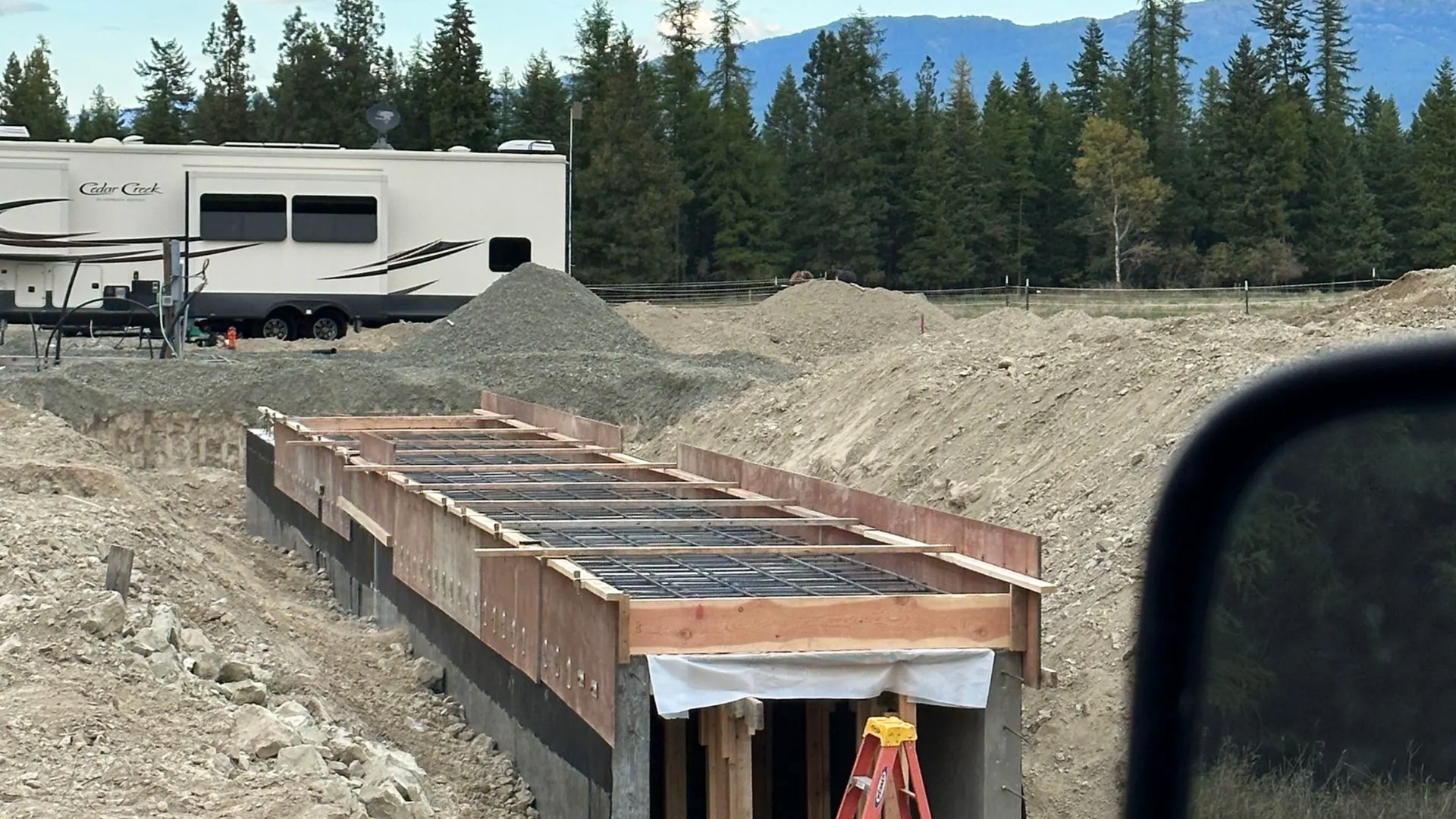
These foundations rely on reinforced concrete walls, continuous footings, and interior slabs to manage vertical loads and resist soil pressure. Builders must account for wall thickness, rebar placement, and drainage to prevent movement or moisture intrusion. You can learn more about basement foundations to understand how they support different building types.
Basement foundations often cost more upfront, but they add long-term value through usable space and structural strength.
Crawl Space Foundations
Crawl space foundations elevate the structure above ground while leaving an accessible space beneath the floor system. Builders often choose this option when soil conditions, site slope, or budget make a basement less practical.
Crawl space foundations work well for:
- Homes built on uneven or sloped terrain
- Light commercial buildings with limited load requirements
- Projects that require easy access to plumbing and utilities
Proper ventilation and moisture control play a major role in crawl space performance. Builders must manage airflow, ground moisture, and insulation to prevent mold or structural deterioration. You can review crawl space foundations to compare how this option performs across different building designs and site conditions.
When designed correctly, crawl space foundations provide flexibility and cost efficiency.
Slab-on-Grade Foundations
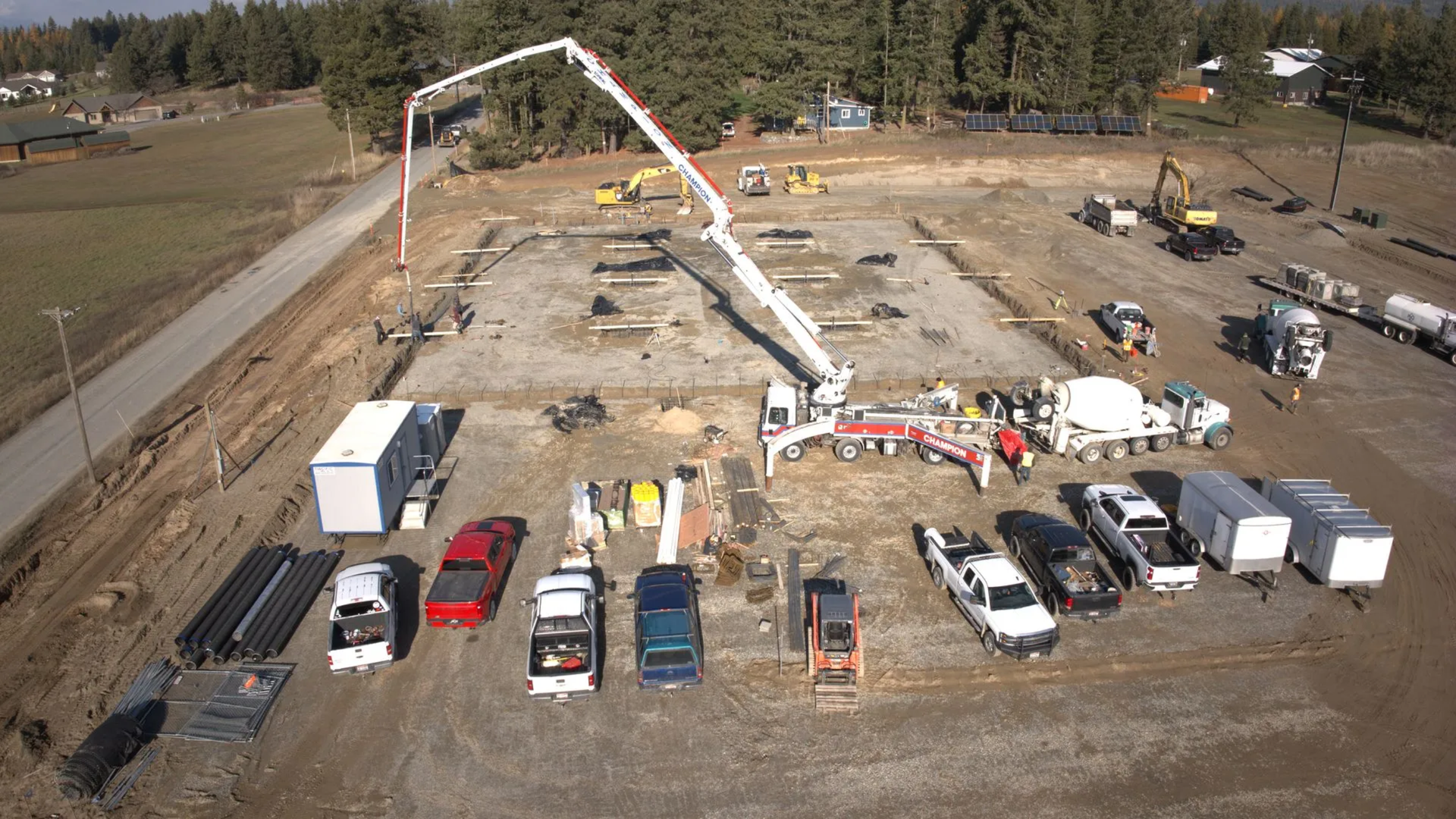
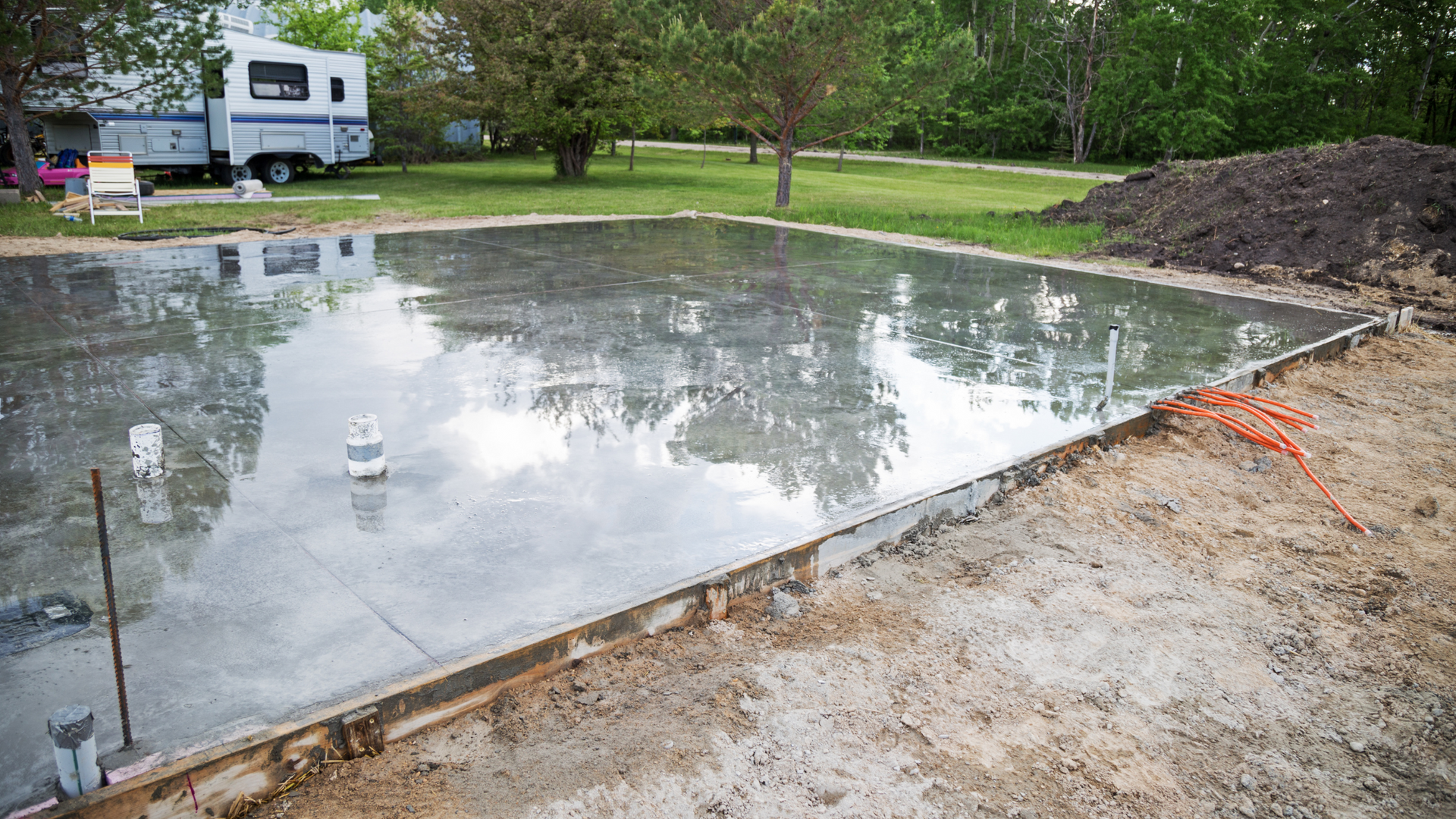
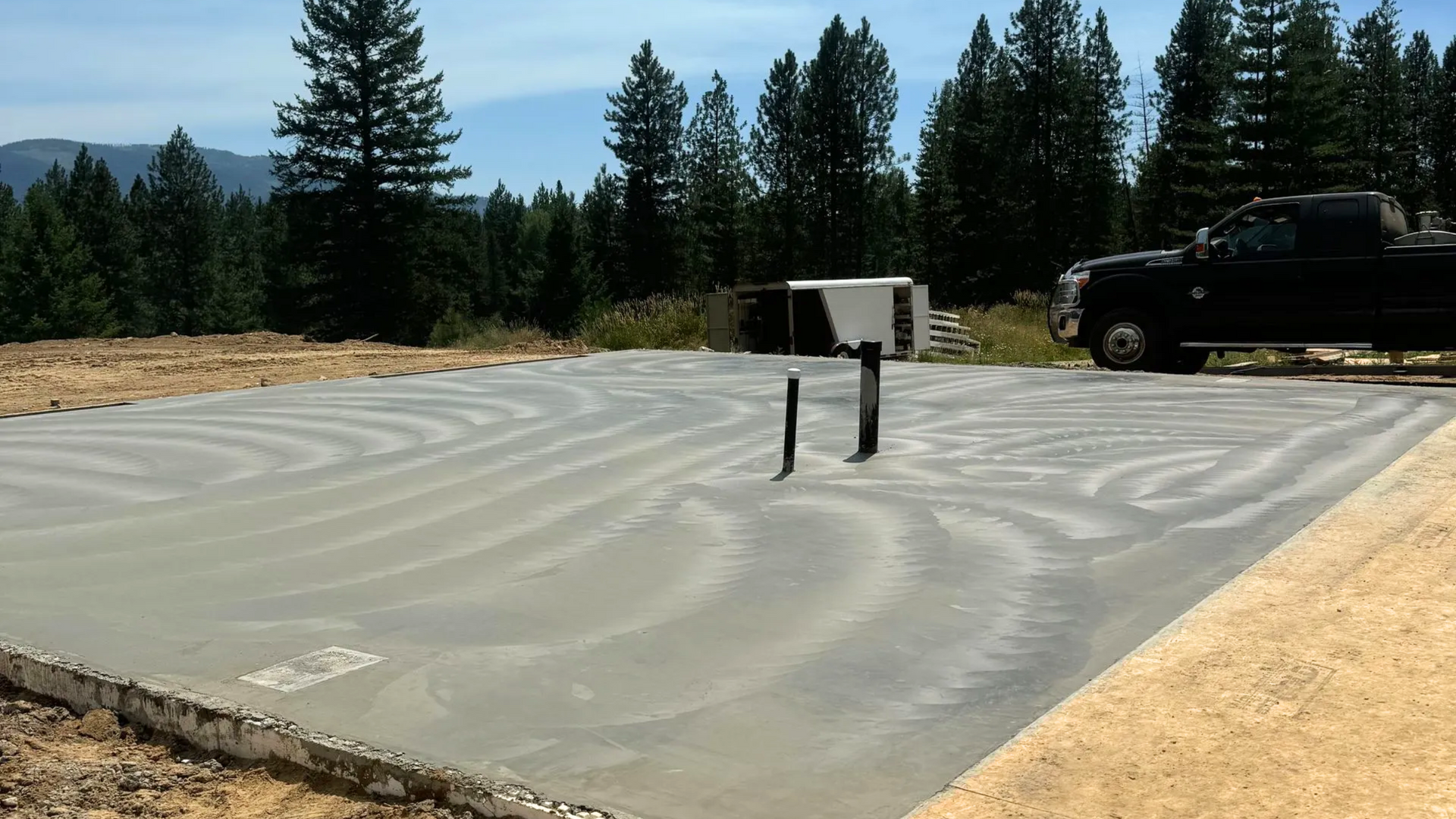
Slab-on-grade foundations consist of a concrete slab poured directly on prepared soil. This foundation type does not create below-grade space, but it offers efficiency and simplicity for many projects.
Slab-on-grade foundations work well for:
- Warehouses and storage facilities
- Shops with large open floor plans
- Commercial buildings with minimal below-grade needs
Slab foundations require careful site preparation, including proper compaction, drainage planning, and reinforcement placement. Poor preparation often leads to cracking or settlement issues. When builders address these factors early, slab foundations provide a durable and cost-effective solution.
How Foundation Layout Affects Every Foundation Type
Foundation layout plays a critical role in how a structure comes together. Accurate layout ensures that footings, walls, anchor bolts, and load paths align correctly before concrete placement begins.
Good layout improves:
- Structural alignment
- Load transfer between foundation and framing
- Placement of doors, windows, and utilities
- Construction efficiency and sequencing
RTB Construction relies on precise layout methods for all foundation types. You can learn more on this page about foundation layout equipment and how it improves accuracy on residential and commercial projects. Accurate layout reduces delays, prevents rework, and supports long-term structural performance.
Foundation Selection by Building Type
Each building type places different demands on its foundation. Matching the foundation to the building use improves safety and performance.
Homes
Homes often benefit from basement or crawl space foundations depending on budget, soil conditions, and desired living space. Comfort, moisture control, and long-term stability remain top priorities.
Shops and Outbuildings
Shops often require stronger slabs or basement foundations to support vehicles, equipment, and storage loads. Builders often increase slab thickness or reinforcement to handle these demands.
Commercial Buildings
Commercial buildings typically require engineered foundation systems designed to support higher loads, stricter building codes, and future expansion. These foundations demand precise planning and execution.
Cost Factors That Affect All Foundation Types
Foundation costs vary based on depth, reinforcement requirements, drainage systems, soil conditions, and project size. Understanding these variables helps set realistic expectations early.
| Foundation Type | Typical Cost per Sq. Ft. | Best Use Case |
|---|---|---|
| Basement Foundation | $20 to $75 | Homes, shops, commercial buildings |
| Crawl Space Foundation | $15 to $40 | Homes and light commercial projects |
| Slab-on-Grade Foundation | $10 to $30 | Warehouses and open commercial spaces |
These ranges provide a planning baseline. Final costs depend on site-specific conditions, design complexity, and construction requirements.
Climate and Soil Considerations in North Idaho
North Idaho experiences freeze and thaw cycles, varied soil types, and seasonal moisture changes. These factors place ongoing stress on foundations and influence design decisions.
Builders must account for:
- Frost depth requirements
- Soil bearing capacity
- Drainage and grading strategies
- Long-term moisture exposure
Proper preparation helps reduce the risk of cracking, movement, and water-related issues over time.
How to Choose the Right Foundation for Your Project
Choosing the right foundation starts with understanding your project goals and site conditions. Consider:
- Building size and expected loads
- Intended use and occupancy
- Soil type and slope
- Budget and construction timeline
- Future expansion plans
Early collaboration with experienced contractors helps avoid design changes and delays later in construction.
Frequently Asked Questions About Concrete Foundations
How long does it take to build a concrete foundation?
- Most foundation projects take one to three weeks depending on excavation, weather, reinforcement needs, and curing time. Larger commercial projects often require additional time for layout and inspections.
Which foundation type works best in freeze and thaw climates?
- Basement and crawl space foundations often perform well in freeze and thaw climates when builders place footings below frost depth and install proper drainage. Slab foundations can also perform well with proper insulation and site preparation.
When should foundation planning start during a construction project?
- Foundation planning should start early in the design phase. Early planning helps align layout, utilities, load paths, and drainage before construction begins.
Conclusion
Concrete foundation types vary in design, cost, and performance. Basement foundations, crawl space foundations, and slab-on-grade foundations each serve specific purposes across homes, shops, and commercial buildings.
At RTB Construction, we focus on proper planning, accurate layout, and proven installation methods to deliver strong, reliable foundations. If you are planning a new build or evaluating foundation options, contact us today. We will walk you through your options and help you choose a foundation that supports your project from the ground up.