Crawl Space Foundations for Homes, Shops and Light Commercial Buildings
Crawl space foundations offer a practical and flexible foundation option for many types of construction. Homes, shops, and light commercial buildings often use crawl spaces when site conditions, budget, or building design make basements unnecessary. When builders design and install them correctly, crawl space foundations provide reliable structural support, easier utility access, and effective moisture control.
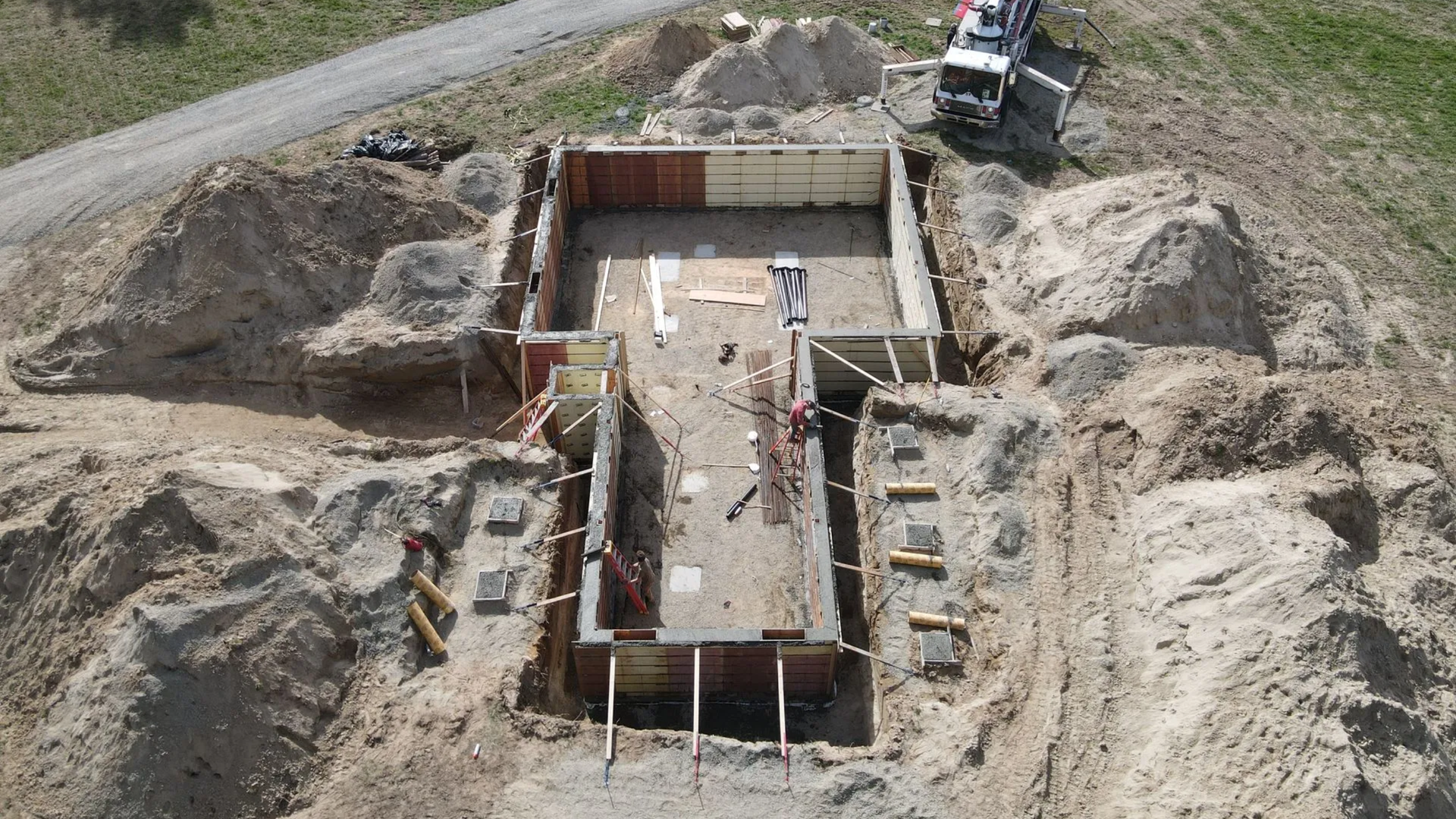
This guide explains how crawl space foundations work, when they make sense, and how they compare to other foundation types. It also covers moisture management, layout accuracy, cost factors, and performance in North Idaho conditions. RTB Construction plans and installs crawl space foundation systems for residential, shop, and light commercial projects throughout North Idaho.
What Is a Crawl Space Foundation?
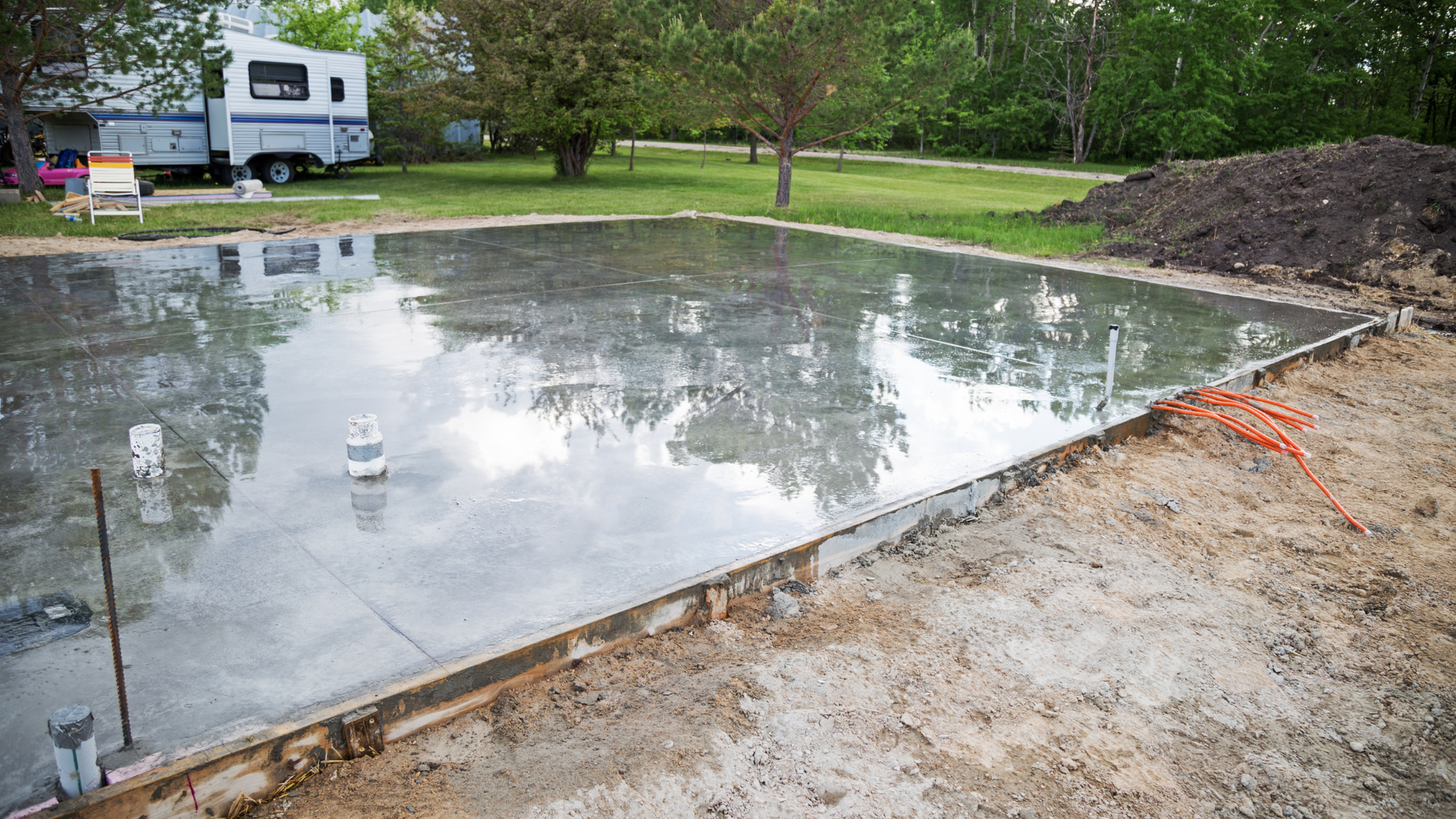
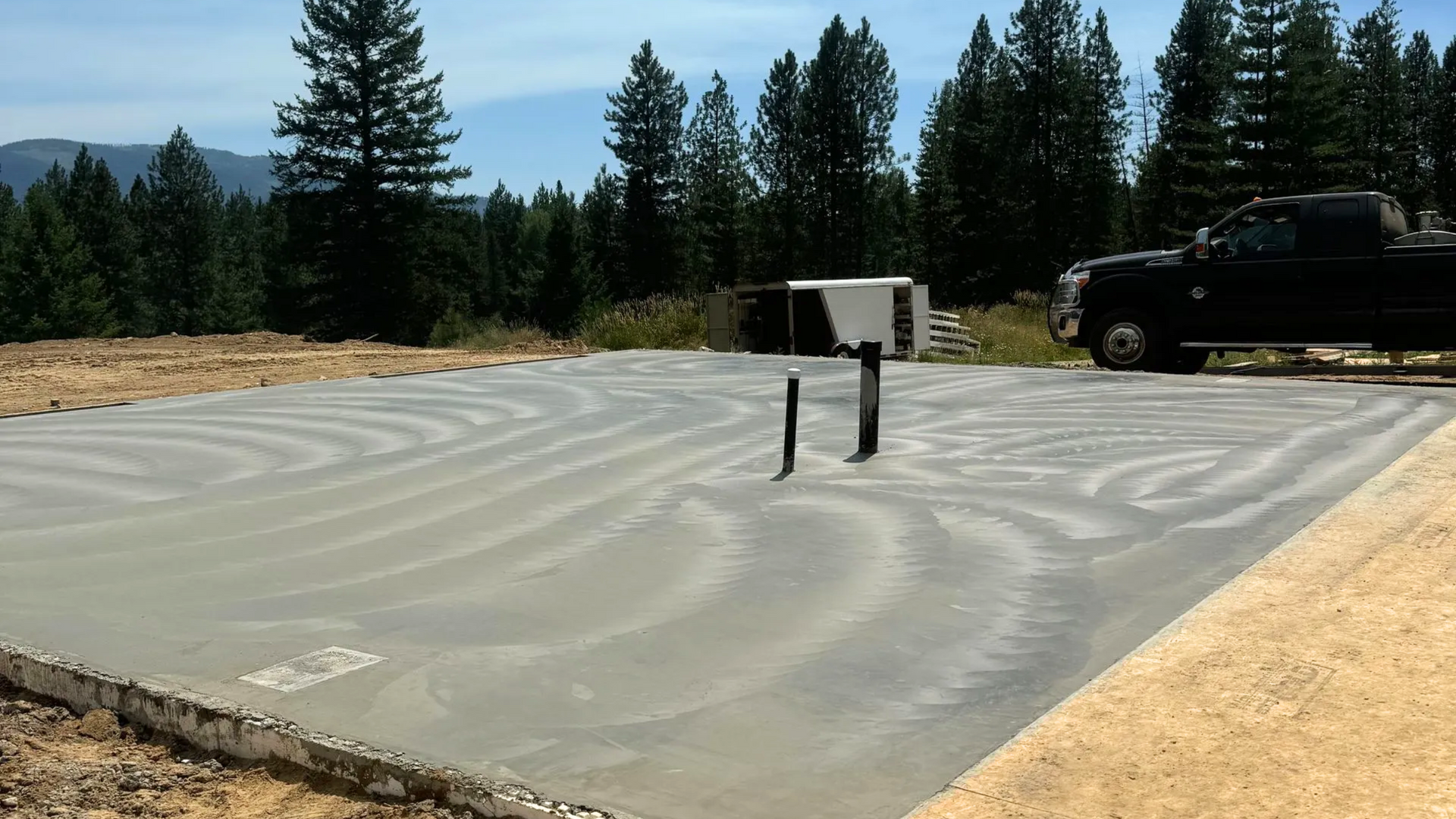
A crawl space foundation raises a building above ground level and creates an accessible space between the soil and the floor system. This space usually measures one to three feet high and allows access to plumbing, electrical, and mechanical systems.
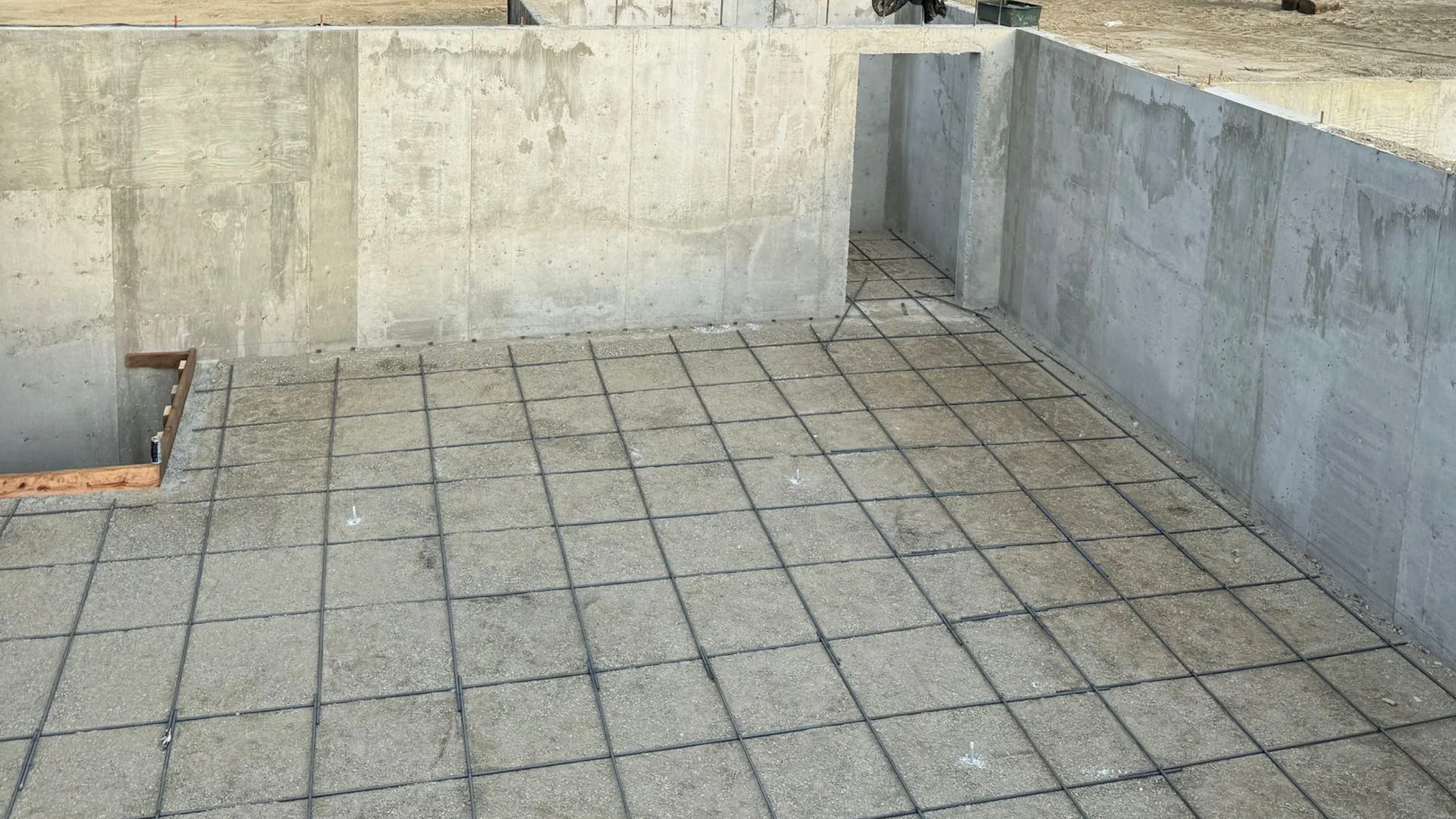
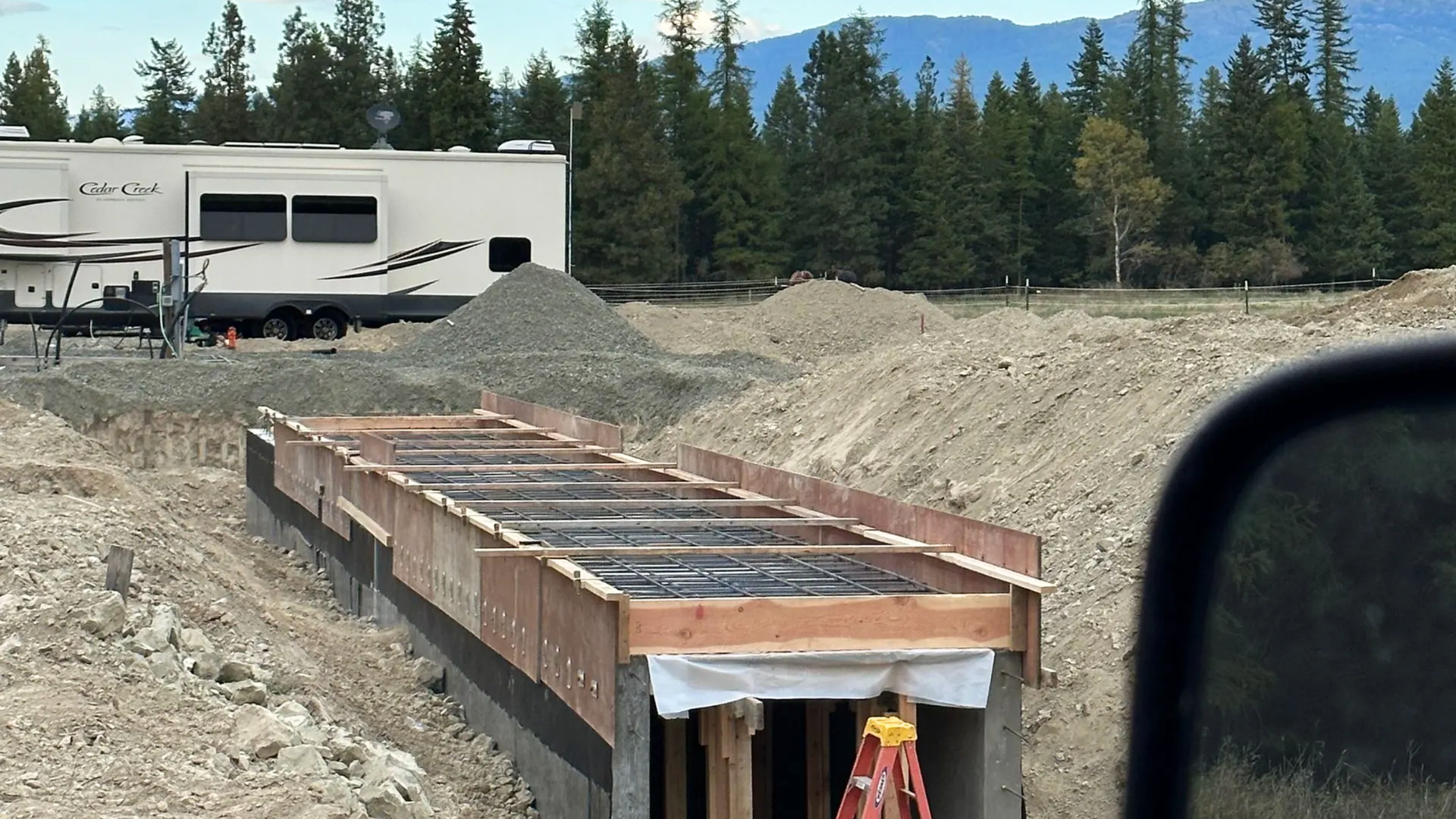
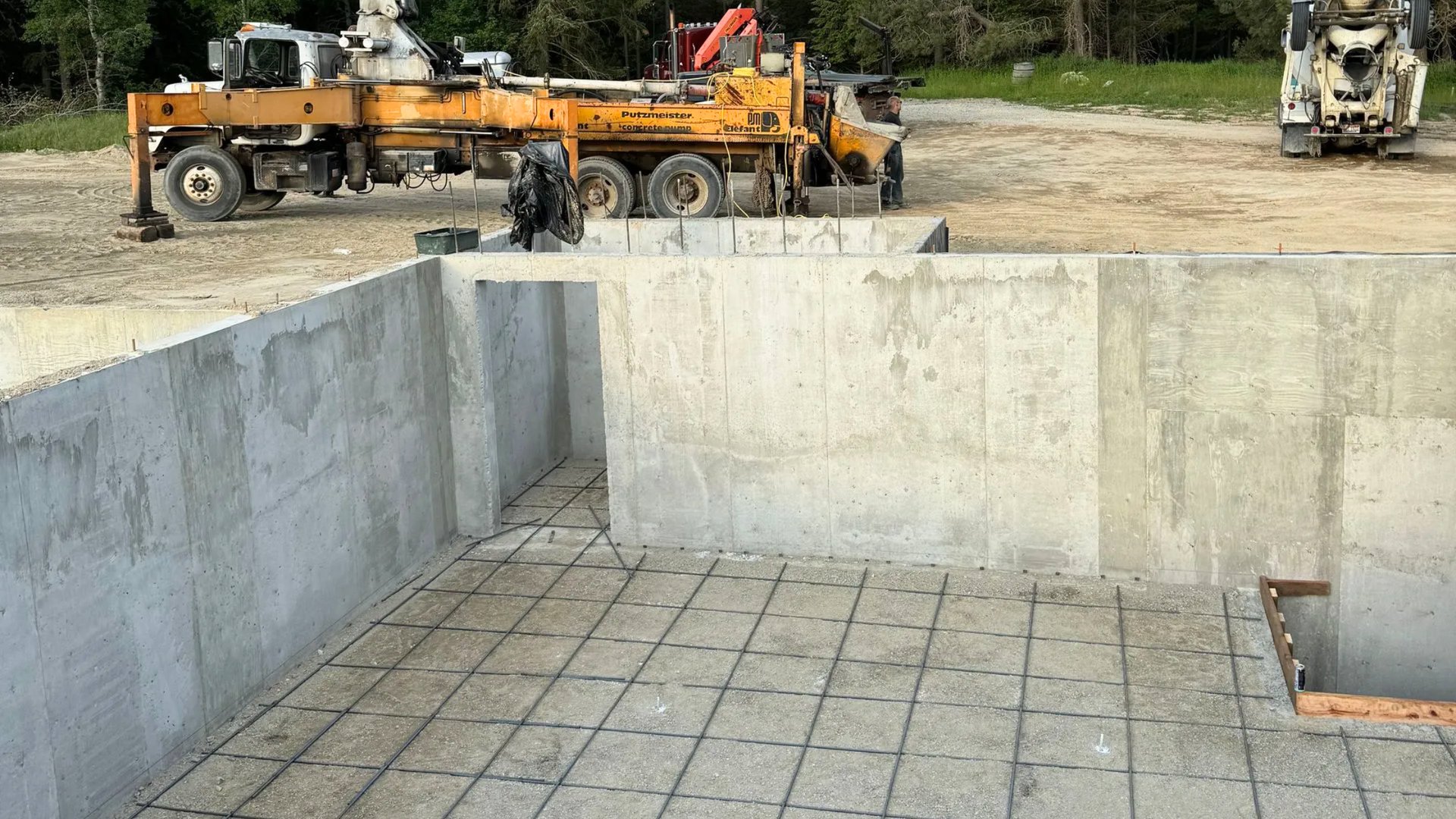
Crawl space foundations typically include:
- Concrete footings
- Stem walls or foundation walls
- Floor framing above the crawl space
- Ventilation and moisture control systems
You can learn more about crawl space foundations here to see how they are designed for different project types.
When Crawl Space Foundations Make Sense
Crawl space foundations work well when a project does not require below-grade space but still needs a stable and adaptable foundation.
Builders often choose crawl space foundations when:
- The site has slopes or uneven terrain
- Soil conditions make deep excavation difficult
- Easy access to utilities is important
- Budget constraints rule out a basement
- The building does not need extra interior space below grade
Crawl spaces allow builders to adapt to site conditions without sacrificing structural integrity.
Crawl Space Foundations vs Basement Foundations
Crawl space and basement foundations both provide strong support, but they serve different purposes.
Crawl space foundations generally:
- Cost less than basements
- Require less excavation
- Offer utility access without finished space
- Work well on sloped or irregular lots
Basement foundations typically:
- Provide usable interior space
- Support heavier structural loads
- Protect mechanical systems below grade
- Allow future expansion or finishing
For a deeper comparison, you can read more about basement foundations for homes, shops, and commercial buildings.
Moisture Control and Ventilation
Moisture management plays a critical role in crawl space performance. Poor moisture control can lead to wood rot, mold growth, and long-term structural issues.
Effective crawl space design includes:
- Ground vapor barriers
- Drainage that moves water away from the foundation
- Controlled ventilation
- Insulation suited for local climate conditions
In North Idaho, seasonal moisture and temperature changes require careful planning. When builders control moisture properly, crawl space foundations perform reliably over time.
Crawl Space Foundations for Shops and Light Commercial Buildings
Shops and light commercial buildings often use crawl space foundations when they do not need below-grade space but still require dependable structural support.
Crawl spaces work well for:
- Small retail buildings
- Office spaces
- Workshops and storage buildings
- Agricultural or utility structures
Builders adjust footing size, wall height, and framing details to support heavier loads when needed. These adjustments allow crawl space foundations to perform well beyond residential use.
How Layout Accuracy Affects Crawl Space Foundations
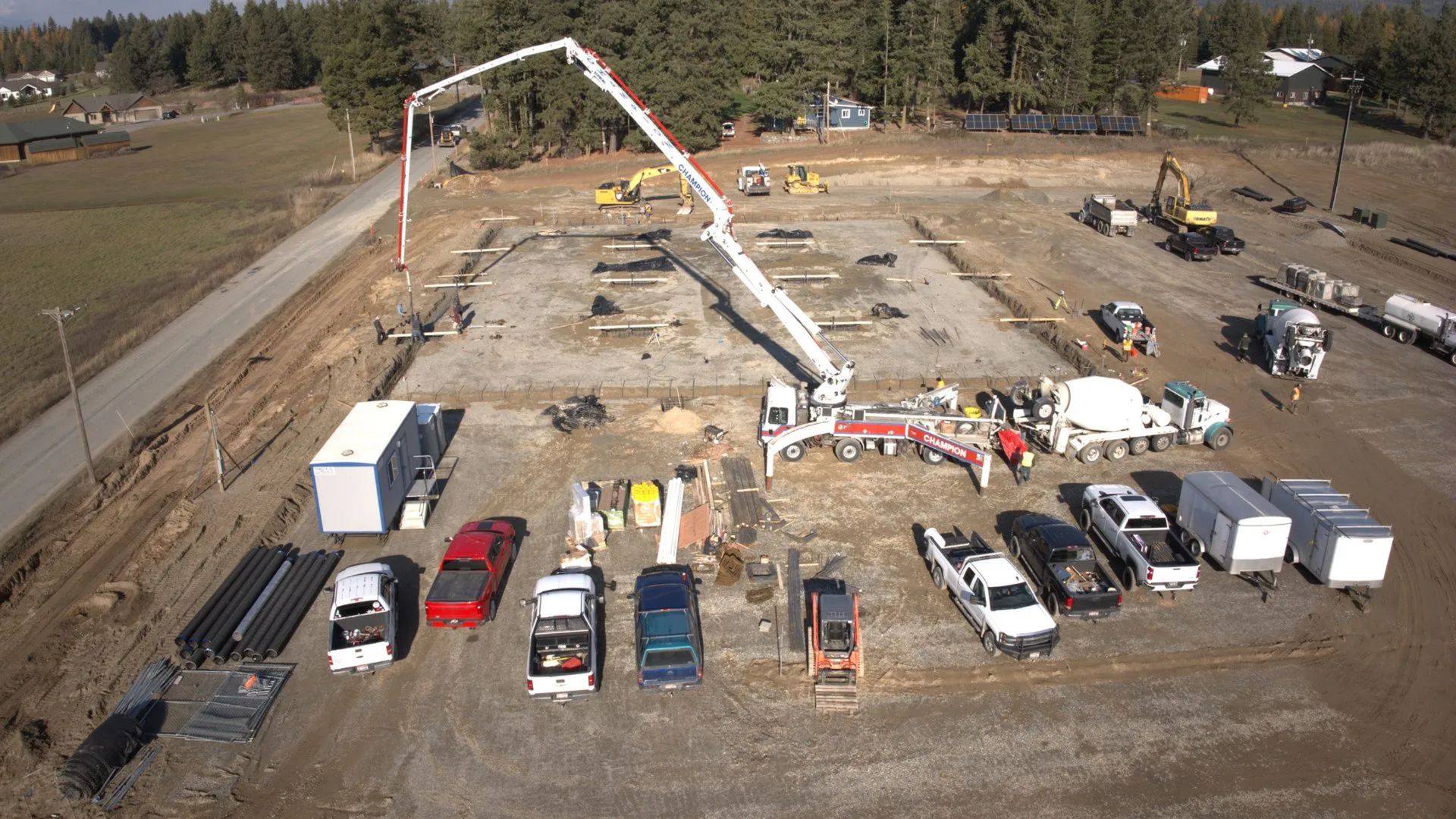
Foundation layout plays an important role in crawl space performance. Accurate layout ensures proper alignment of footings, walls, and floor framing before construction begins.
Good layout helps:
- Distribute loads evenly
- Align utilities correctly
- Improve floor system performance
- Reduce construction delays
RTB Construction uses precise layout methods on all foundation projects. You can learn more on this page about foundation layout equipment and how accurate layout supports crawl space foundations.
Cost Factors and Planning Considerations
Crawl space foundation costs vary based on site conditions, wall height, reinforcement needs, and moisture control systems.
The table below shows general planning ranges commonly seen in North Idaho:
| Foundation Type | Typical Cost per Sq. Ft. | Common Applications |
|---|---|---|
| Crawl Space Foundation | $15 to $40 | Homes, shops, light commercial |
| Basement Foundation | $20 to $75 | Homes, shops, commercial |
| Slab-on-Grade Foundation | $10 to $30 | Warehouses, shops, open buildings |
These ranges help compare options early in the planning process. Final costs depend on soil conditions, drainage requirements, and structural design.
Crawl Space Foundations in North Idaho Climate
North Idaho experiences freeze and thaw cycles, seasonal moisture, and varied soil types. These conditions affect crawl space design and installation.
Builders must consider:
- Frost depth requirements
- Drainage and grading
- Insulation placement
- Ventilation strategy
When builders address these factors early, crawl space foundations perform consistently in changing weather conditions.
How to Choose Between Crawl Space and Other Foundation Types
Choosing the right foundation depends on how the building will function over time.
A crawl space foundation often makes sense when:
- The project does not require below-grade space
- Utility access matters
- The site presents grading challenges
- Budget flexibility is important
Reviewing all options helps ensure the foundation supports long-term goals. You can explore concrete foundation types here to compare crawl space foundations with other systems.
Frequently Asked Questions About Crawl Space Foundations
How tall is a typical crawl space?
- Most crawl spaces range from one to three feet in height, depending on access needs and design requirements.
Do crawl space foundations work in cold climates?
- Crawl space foundations perform well in cold climates when builders install proper insulation, vapor barriers, and drainage systems.
Is a crawl space foundation cheaper than a basement?
- In most cases, crawl space foundations cost less than basement foundations due to reduced excavation and concrete requirements.
Final Thoughts
Crawl space foundations provide a practical foundation option for homes, shops, and light commercial buildings. When designed correctly, they offer reliable structural support, moisture control, and easier access to utilities without the cost of a full basement.
At RTB Construction, we plan and install crawl space foundations with careful attention to layout accuracy, site conditions, and long-term performance. If you are considering a crawl space foundation or want help comparing foundation options, contact us today. We will help you choose a foundation that supports your project from the ground up.